
A loud gig can leave your ears ringing for hours. A long shift around machinery can make the world sound dull by the end of the day. Those moments are easy to brush off, but they are often the point where people start asking: what is ear protection, and do I actually need it?
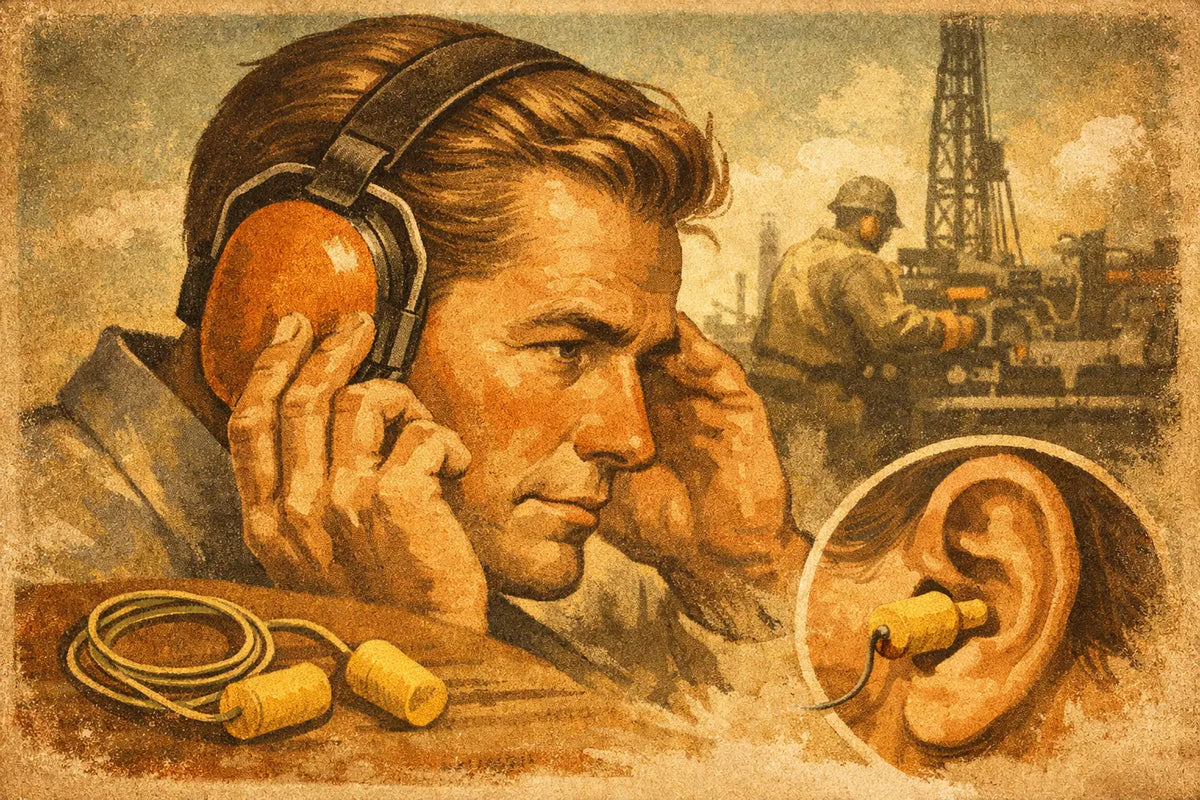
Ear protection is any device designed to reduce the level of sound reaching your ears. Its job is simple - lower harmful noise exposure so your hearing is less likely to suffer short-term stress or long-term damage. That can mean earplugs, earmuffs or more specialised hearing protectors designed for work, travel, music and daily life.
The important part is not just blocking sound. Good ear protection aims to reduce risk while still allowing you to function normally. In many situations, that means preserving speech clarity, environmental awareness and comfort, rather than leaving everything muffled.
What is ear protection really doing?
Your ears are built to handle everyday sound, but they are not built for repeated or intense noise. Power tools, amplified music, aircraft cabins, motorsport, industrial equipment and even some busy leisure environments can all push sound into a range that strains the hearing system.
Ear protection works by reducing the sound energy entering the ear canal. Lower sound exposure means less stress on the delicate structures of the inner ear, especially the tiny hair cells that help convert sound into signals for the brain. Once those cells are damaged, they do not recover.
That is why hearing protection is a prevention tool, not a treatment. It helps reduce the chance of noise-induced hearing loss, tinnitus and listening fatigue before they become part of everyday life.
Why hearing damage is often missed
One of the problems with noise damage is that it can happen gradually. Many people expect hearing loss to arrive suddenly and dramatically, but more often it builds over time. You might notice ringing after a concert, struggle to follow speech in a noisy restaurant or feel unusually tired after a loud commute or workday.
Those signs matter. They can suggest your ears are being pushed beyond a healthy level, even if your hearing still seems mostly fine. By the time difficulty becomes obvious, some damage may already be permanent.
This is where ear protection matters most. It is not only for people in extreme environments. It is for anyone who is regularly exposed to sound levels that are simply too high for too long.
The main types of ear protection
Not all ear protection works in the same way, and the right option depends on where, when and how you need to use it.
Foam earplugs are widely used because they are affordable and can reduce a lot of noise when fitted properly. They are common in workplaces, during sleep and in very loud environments. The trade-off is that they often muffle speech and music, and many people do not insert them correctly, which reduces their effectiveness.
Reusable earplugs are made from longer-lasting materials such as silicone or thermoplastic. These are often more convenient for regular use and can feel more comfortable than disposable foam. Some are designed to reduce volume more evenly, which helps preserve clarity.
Filtered earplugs are especially useful for music, events, travelling and social settings. Rather than blocking sound in a blunt way, they are designed to lower volume while keeping speech and sound quality more natural. For people who want protection without feeling cut off, this can be a better balance.
Earmuffs cover the outer ear rather than sitting inside the ear canal. They are common in construction, manufacturing, shooting sports and other high-noise settings. They are easy to put on and remove, but can feel bulky and may be less practical for long wear in hot conditions.
Custom ear protection is moulded to the shape of your ears. It is often chosen by musicians, frequent event staff, industrial workers and people who want a more secure fit. Because fit affects both comfort and performance, custom options can offer a strong combination of protection and wearability.
What good ear protection should feel like
A common mistake is to assume stronger is always better. In practice, overblocking can be frustrating. If you cannot hear speech, warning signals or the environment around you, you are less likely to keep wearing protection consistently.
Good ear protection should reduce harmful noise to a safer level without making everyday listening impossible. It should fit securely, feel comfortable over time and suit the setting you are in. If it pinches, slips, causes pressure or leaves everything sounding muddy, it may not be the right choice.
That is one reason audiology-led design matters. Effective hearing protection is not only about attenuation on paper. It is about real-world use - how people hear, communicate and stay protected in environments that do not pause for perfect conditions.
Who should be using ear protection?
If you are exposed to loud sound regularly, the answer is straightforward. Workers in construction, manufacturing, engineering, aviation and similar fields should treat hearing protection as essential. The same applies to musicians, DJs, venue staff and anyone around amplified sound for long periods.
But occasional exposure counts too. Concertgoers, festival attendees, motorcyclists, frequent flyers, DIY users and even people using garden or household power tools can all benefit from protection. Noise risk is not limited to a job title.
There is also a group of people who want ear protection because they are more aware of hearing health, more sensitive to sound or simply unwilling to wait for damage before taking action. That is a sensible approach. Prevention is easier than adapting to permanent hearing changes later.
How to tell if your current protection is enough
The honest answer is: it depends. The best ear protection for a drummer is not necessarily the best option for a site worker, and neither may suit a parent trying to reduce sensory overload on a flight.
Start with the noise level, how long you are exposed, and whether you need to hear speech or detail clearly. Then consider fit and consistency. Protection only works properly if you wear it correctly and keep wearing it.
If your ears ring after noise exposure, if your hearing feels dulled afterwards, or if you keep removing your earplugs because they are uncomfortable or isolating, your current solution may not be doing the job well enough. In those cases, a more suitable style or a better acoustic design can make a meaningful difference.
What is ear protection with clarity in mind?
This is where the category has improved. People no longer have to choose only between full-volume noise and heavily muffled sound. Modern hearing protection can be designed to lower damaging noise while preserving more of the frequencies needed for speech and environmental awareness.
That matters for adults who want protection they will actually use. A musician needs to hear balance and pitch. A traveller may want to reduce engine noise without missing announcements. Someone working in a busy environment may need to hear instructions clearly while still protecting their ears.
For these users, the goal is not silence. The goal is safer listening with better clarity.
Choosing ear protection without overcomplicating it
You do not need to become an acoustics expert to make a good decision. You do need to be honest about your noise exposure and your habits.
If you need simple, disposable protection for very loud tasks, foam may be enough. If comfort and repeat use matter, reusable plugs are usually a better step. If you care about speech, music quality or staying connected to your surroundings, filtered protection is often the more practical choice. And if you use protection frequently, custom-fit options may be worth considering.
The strongest product on the shelf is not automatically the best one for you. The best one is the one that protects effectively, feels right, and fits naturally into your routine.
For a brand such as Jett Maxwell, that balance between noise reduction and clarity is central for a reason. People are far more likely to protect their hearing consistently when the experience is comfortable, credible and easy to live with.
Hearing tends to stay in the background until something changes. Looking after it is rarely dramatic, but it is one of the clearest examples of prevention paying off. If a sound source feels too loud, it probably is - and protecting your ears now is far easier than wishing you had later.