

You spent £30 on reusable earplugs for last weekend’s festival, tossed them in your jacket pocket afterwards, and pulled them out covered in lint and pocket debris for tonight’s gig. This common scenario explains why many concert-goers experience ear infections, reduced protection, and premature earplug failure. Proper maintenance extends earplug lifespan, preserves acoustic performance, and protects your ear health. This guide walks you through essential cleaning techniques, storage practices, and replacement schedules to maximise your investment in hearing protection.
Table of Contents
- Essential Tools And Materials For Earplug Maintenance
- Step-By-Step Guide To Cleaning Your Earplugs
- How To Store And Inspect Your Earplugs For Longevity And Safety
- Common Mistakes To Avoid When Maintaining Earplugs
- Protect Your Hearing With Expert Noise Protection
- How Often Should I Clean Reusable Earplugs?
- Can I Reuse Disposable Foam Earplugs Safely?
- What Are Signs That My Earplugs Need Replacing?
Key takeaways
| Point | Details |
|---|---|
| Clean regularly | Wash reusable earplugs after every use or every 2-3 uses depending on exposure to maintain hygiene and effectiveness. |
| Store properly | Keep earplugs in their original case in a dry environment to prevent bacterial growth and physical damage. |
| Inspect frequently | Check for cracks, discolouration, or texture changes before each use to ensure continued protection. |
| Replace promptly | Change earplugs every 10 days or when signs of wear appear to maintain optimal noise reduction and ear health. |
Essential tools and materials for earplug maintenance
Gathering the right cleaning supplies before you start ensures efficient maintenance without damaging your earplugs. You need surprisingly few items: mild liquid soap (dish soap works perfectly), warm water, a soft cloth, and 70% isopropyl alcohol wipes for occasional disinfection. Your earplug’s original carrying case serves as the ideal storage container.
Avoid harsh chemicals like bleach, hydrogen peroxide, or acetone-based cleaners that degrade silicone material and compromise the acoustic filters inside reusable earplugs. Similarly, skip abrasive materials like rough sponges, brushes, or paper towels that create microscopic scratches where bacteria thrive. Stick with your fingertips for gentle cleaning.
Regular cleaning with mild soap and water, and proper storage in a case, can significantly extend the lifespan of earplugs whilst maintaining their protective qualities. Pro Tip: keep a small bottle of mild soap and your earplug case together in your gig bag so cleaning becomes automatic after every event.
Basic maintenance kit checklist
- Mild liquid soap (fragrance-free preferred)
- Clean warm water access
- Soft microfibre cloth for drying
- 70% isopropyl alcohol wipes
- Original earplug case
- Clean, dry storage location
| Item | Purpose | Frequency |
|---|---|---|
| Mild soap | Daily cleaning | After each use |
| Isopropyl alcohol | Deep disinfection | Weekly or after illness |
| Soft cloth | Gentle drying | After every wash |
| Original case | Protected storage | Continuous |
Step-by-step guide to cleaning your earplugs
Proper cleaning technique removes earwax, sweat, and environmental debris whilst preserving the delicate acoustic filters that make reusable earplugs effective. Start by using fingertips to lather with soap and warm water, rinsing until all soap residue is gone, and air drying completely. This gentle method protects the silicone material and internal components.
For deeper cleaning after particularly sweaty gigs or outdoor festivals, disinfecting silicone earplugs can be done using 70% isopropyl alcohol. Apply the alcohol to a clean cloth, wipe each earplug gently, then rinse with water and air dry. Never soak earplugs in alcohol for extended periods as this can damage acoustic membranes.
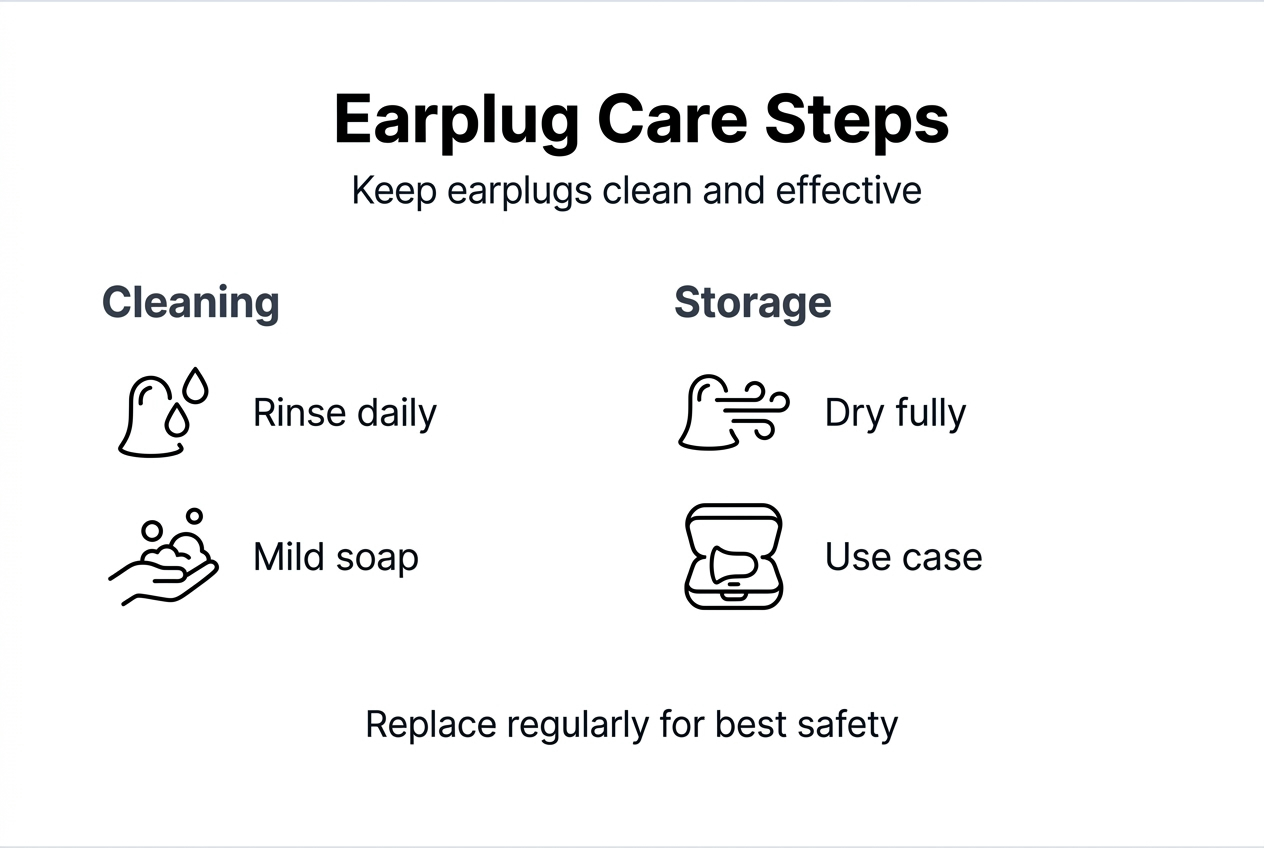
The drying stage matters as much as washing. Place cleaned earplugs on a clean, dry towel away from direct sunlight or heat sources. Trapped moisture creates ideal conditions for bacterial growth, so ensure complete drying before storage. Following hearing damage prevention tips includes maintaining clean hearing protection that actually works when you need it.
Daily cleaning routine
- Remove earplugs immediately after use rather than leaving them in ears longer than necessary
- Rinse under warm running water to remove surface debris and earwax
- Apply a small drop of mild soap to fingertips and gently massage each earplug
- Rinse thoroughly under warm water until no soap residue remains
- Pat dry with a soft cloth and place on clean surface to air dry completely
- Return to case only when fully dry
Pro Tip: clean earplugs immediately after concerts or festivals when you’re still energised rather than waiting until morning when you’ve forgotten where you put them.
How to store and inspect your earplugs for longevity and safety
Proper storage in the original, clean carrying case protects earplugs from dust and bacteria between uses. Your pocket, handbag, or random drawer exposes earplugs to lint, moisture, and contaminants that compromise both hygiene and acoustic performance. The case manufacturer designed specifically maintains shape whilst providing a barrier against environmental threats.
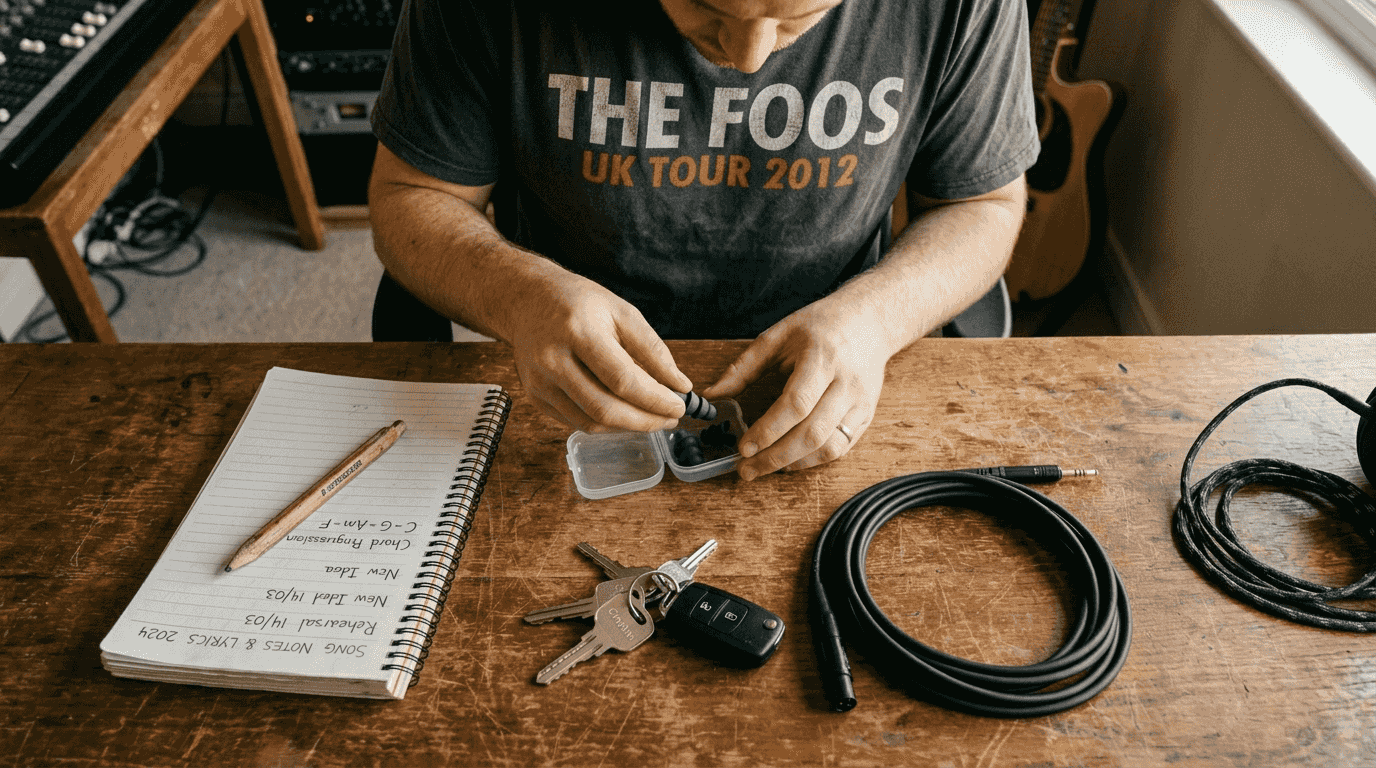
Never store damp earplugs, as storing earplugs incorrectly can be as problematic as failing to clean them, exposing them to dust, bacteria, and moisture. Moisture trapped inside a closed case creates a breeding ground for mould and bacteria that causes ear infections. Always verify complete dryness before closing the case.
Develop a pre-use inspection routine that takes 10 seconds but prevents hours of ear discomfort. Hold each earplug up to light and look for physical damage, texture changes, or discolouration that signals replacement time. Understanding effects of poor earplug hygiene motivates consistent inspection habits.
Storage best practices
- Keep case in a cool, dry location away from direct sunlight
- Clean the storage case monthly with soap and water
- Never share earplugs with others due to infection risks
- Avoid extreme temperatures that degrade silicone material
- Store away from sharp objects that could puncture earplugs
Inspection checklist before each use
| Check | What to look for | Action if found |
|---|---|---|
| Physical damage | Cracks, tears, holes | Replace immediately |
| Texture | Hardening, stickiness, brittleness | Replace immediately |
| Cleanliness | Wax buildup, discolouration | Clean or replace |
| Smell | Unpleasant odour | Deep clean or replace |
| Seal | Proper fit in ear canal | Replace if loose |
Pro Tip: mark your calendar for earplug replacement around every 10 days of active use, balancing hygiene with sustainability and cost-effectiveness.
Common mistakes to avoid when maintaining earplugs
The biggest maintenance error stems from treating disposable foam earplugs as reusable products. Reusing disposable foam earplugs leads to a significant reduction in noise reduction effectiveness and hygiene. Foam compresses permanently after one use, creating gaps that allow damaging sound levels through whilst accumulating bacteria with each insertion.
Cleaning method mistakes damage even high-quality reusable earplugs. Using harsh chemicals or abrasive materials can degrade earplug material, reducing sound blocking and causing irritation or infection. Boiling water melts silicone components, dishwashers apply excessive heat and pressure, and ultrasonic cleaners damage acoustic filters despite seeming like convenient solutions.
Storage neglect creates problems as insidious as skipping cleaning entirely. Tossing damp earplugs into a case, storing them loose in bags, or leaving them on bathroom counters exposes them to contamination. Each mistake compounds over time, turning protective devices into vectors for ear infections.
Critical maintenance errors
- Reusing disposable foam earplugs beyond single use
- Cleaning with bleach, acetone, or other harsh solvents
- Scrubbing with brushes or abrasive materials
- Storing whilst still damp from cleaning
- Using dirty or shared storage containers
- Skipping regular inspection for wear
- Continuing to use damaged or expired earplugs
Consistent cleaning after every use and timely replacement prevents 90% of earplug-related ear infections and ensures your hearing protection actually protects when decibel levels spike during peak concert moments.
Protect your hearing with expert noise protection
Maintaining your current earplugs properly extends their effectiveness, but upgrading to audiologist-designed protection takes your hearing health to professional levels. Jett Maxwell specialises in reusable acoustic earplugs engineered specifically for music enthusiasts who refuse to compromise between sound clarity and protection.
Our Tone-Filter hearing protection reduces harmful volume whilst preserving the full frequency spectrum that makes live music special. Unlike generic foam plugs that muffle everything, these filters maintain clarity so you hear every instrument distinctly at safe levels. Explore our complete noise protection retail collection to find solutions matching your specific listening environments, from intimate jazz clubs to outdoor festivals.
How often should I clean reusable earplugs?
Clean reusable silicone earplugs after every use if exposed to heavy sweat, outdoor conditions, or extended wear periods exceeding four hours. For lighter use in controlled environments like rehearsal spaces, cleaning every 2-3 uses maintains adequate hygiene. Proper cleaning prevents bacterial buildup that causes infections and protects the acoustic filters that maintain sound quality.
Can I reuse disposable foam earplugs safely?
Disposable foam earplugs lose effectiveness after a single use because the foam compresses permanently and cannot regain its original shape or noise-blocking properties. Reusing them increases ear infection risk whilst providing false confidence about protection levels. Understanding hearing damage risks helps prioritise proper hearing protection.
What are signs that my earplugs need replacing?
Replace earplugs immediately if you notice ear itching after use, persistent unpleasant odour despite cleaning, visible discolouration or dark spots, hardened or sticky texture, or loose fit in your ear canal. These symptoms indicate material degradation or bacterial contamination that compromises both protection and ear health. Regular replacement every 10 days of active use prevents these issues.
Recommended
- Your Hearing Is Being Damaged Every Day — Even If You Think It’s “Fine – Jett Maxwell Ltd
- That Ringing After a Gig Isn’t Normal — It’s Hearing Damage – Jett Maxwell Ltd
- Retail – Jett Maxwell Ltd
- Tone-Filter Ear Plugs – Jett Maxwell Ltd