
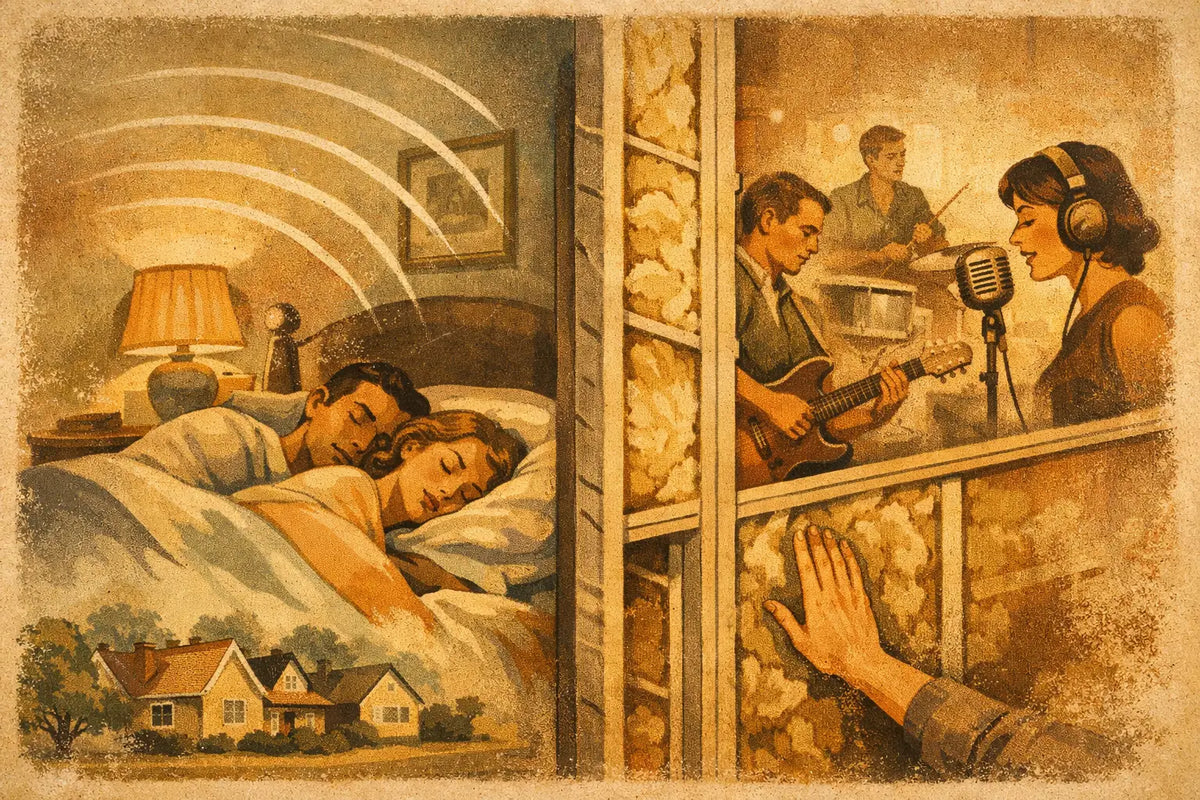
A ringing ear after a gig, a long shift beside machinery, or hours spent on planes and trains can all leave the same question behind: what is sound protection, and do you actually need it? In simple terms, sound protection means reducing harmful noise exposure in a way that helps protect your hearing without cutting you off from the sounds you still need to hear.
That distinction matters. Good sound protection is not just about making everything quieter. It is about lowering risky sound levels while keeping speech, awareness and comfort as intact as possible. For many people, that is the difference between protection they will wear once and protection they will keep using.
What is sound protection?
Sound protection is any method, material or device designed to reduce the amount of potentially damaging sound that reaches the ear. In everyday life, this usually means earplugs, earmuffs or specialist hearing protection used in noisy settings such as concerts, construction sites, workshops, sporting events, motorsport, flying or frequent commuting.
From an audiology perspective, the goal is straightforward: reduce sound exposure enough to lower the risk of noise-related hearing damage. That can include temporary effects, such as muffled hearing after a loud night out, and longer-term problems, including permanent hearing loss or tinnitus.
The key point is that sound protection is preventive. Hearing damage often builds gradually. You may not notice the early changes, and once hearing is damaged, it cannot usually be restored. Protection works best before there is a problem, not after.
Why sound protection matters more than many people realise
Noise exposure is often treated as a nuisance rather than a health issue. Yet your ears do not distinguish between "fun" noise and workplace noise. Loud music, power tools, engines, crowd noise and aircraft cabins all add to your overall sound load.
That load is shaped by two things: volume and duration. A very loud sound can be harmful quickly. A moderately loud sound can also become a problem if you are around it for long periods. This is why someone working in trade or industry may need daily protection, while someone who attends live music or travels frequently may need it in more occasional but still meaningful situations.
There is also a common misconception that hearing damage only affects older adults. In reality, repeated noise exposure can affect anyone. Musicians, hospitality staff, fitness instructors, DIY enthusiasts and regular concertgoers are all at risk if they spend enough time in high-noise environments.
Sound protection is not the same as blocking all sound
This is where many people are put off. They picture bulky earmuffs, cheap foam plugs or that blocked-up feeling where conversation disappears and everything sounds dull. Basic protection can reduce noise, but it can also reduce clarity.
Modern sound protection is more refined than that. Depending on the design, it can lower harmful noise while allowing speech and environmental sound to remain clearer. That matters if you need to communicate at work, hear announcements when travelling, follow music accurately, or stay aware of what is happening around you.
In other words, effective hearing protection should not force you to choose between safety and connection. The right product aims to do both.
How sound protection works
At its simplest, sound protection works by reducing the sound energy entering the ear canal. Different products do this in different ways.
Foam earplugs expand in the ear canal and physically block sound. They are widely available and can be effective when fitted properly, but fit is often inconsistent. If they are not inserted correctly, protection drops. Many people also find them uncomfortable or too muffling for regular use.
Filtered earplugs work differently. They are designed to reduce sound more evenly, which can help preserve more natural hearing across different frequencies. That is why they are often preferred by musicians, event staff and people who want protection without losing speech intelligibility.
Earmuffs create a seal around the outer ear and are often used in industrial settings or for very loud tools and equipment. They can offer strong protection, but they are bulkier and less practical in some social or mobile situations.
No option is perfect for every environment. It depends on the noise level, how long you are exposed, whether you need to communicate, and whether you will realistically wear the protection consistently.
What good sound protection should do
The best sound protection is not simply the product with the highest reduction figure. More is not always better if the result is discomfort, poor awareness or a product you stop wearing.
Good protection should fit securely, feel comfortable for the length of time you need it, and reduce noise in a way that suits the setting. For many users, clarity is a major factor. If speech becomes too hard to follow, or music becomes distorted and flat, compliance drops quickly.
This is why audiology-informed hearing protection has a clear advantage. It starts with how people actually hear and what they need to preserve, not just how much noise can be blocked. Jett Maxwell is built around that principle: block noise, keep clarity and hear tomorrow.
When you should consider using sound protection
If you leave a place and your ears feel dull, sensitive or ring afterwards, that is a warning sign. If you regularly raise your voice to be heard, work around machinery, use power tools, travel often, or spend time in loud venues, protection is worth considering.
Some of the most common situations include concerts and festivals, clubs and bars, workshops, factories, motorsport, shooting, air travel, open-plan noise, commuting and home renovation. Even occasional exposure can be enough to justify carrying a pair of hearing protectors, especially if you know your plans involve prolonged noise.
There is also a comfort aspect. Not everyone uses sound protection solely because of hearing damage risk. Some people are noise-sensitive, feel fatigued in loud environments, or want relief during travel without feeling cut off. That is a valid reason too, provided the product is appropriate for the setting.
Choosing the right type of sound protection
There is no single best choice for everyone. A warehouse worker, a drummer and a frequent flyer do not need the same level or style of protection.
For very loud occupational settings, higher attenuation and secure fit may come first. For live music, even reduction and sound quality matter more. For travel or daily urban noise, comfort and ease of wear often decide whether a product becomes part of your routine.
It is also worth thinking about reuse. Disposable foam plugs can be useful in a pinch, but reusable options may provide a better long-term experience and a more consistent fit. If you wear protection regularly, that difference matters.
If you already have hearing loss, tinnitus, ear canal sensitivity or difficulty getting a good fit, specialist guidance can help. A product that works well for one person may not work well for another, especially if ear anatomy or listening needs differ.
Common mistakes people make
One of the biggest mistakes is waiting for symptoms. Hearing damage is often gradual and cumulative. By the time ringing or reduced hearing becomes obvious, the injury may already be done.
Another is choosing the cheapest option without considering fit, comfort or clarity. If protection is unpleasant to wear, people remove it, wear it incorrectly, or leave it at home.
There is also a tendency to underestimate occasional exposure. A few hours at a loud event may not feel serious, but repeated exposures over months and years add up. Prevention is far easier than managing permanent change later.
What sound protection really means for long-term hearing health
At its best, sound protection is a practical form of preventive care. It supports hearing health in the same way sunscreen supports skin health or a seatbelt supports physical safety. You hope you never need to think about the alternative, but the habit matters.
The right protection helps you keep enjoying music, work, travel and social life without making unnecessary compromises. It should reduce risk, preserve clarity and fit naturally into real life. That is the standard worth looking for.
If you are asking what is sound protection, the most useful answer is this: it is not about shutting the world out. It is about protecting your hearing well enough that you can keep listening to it for years to come.