
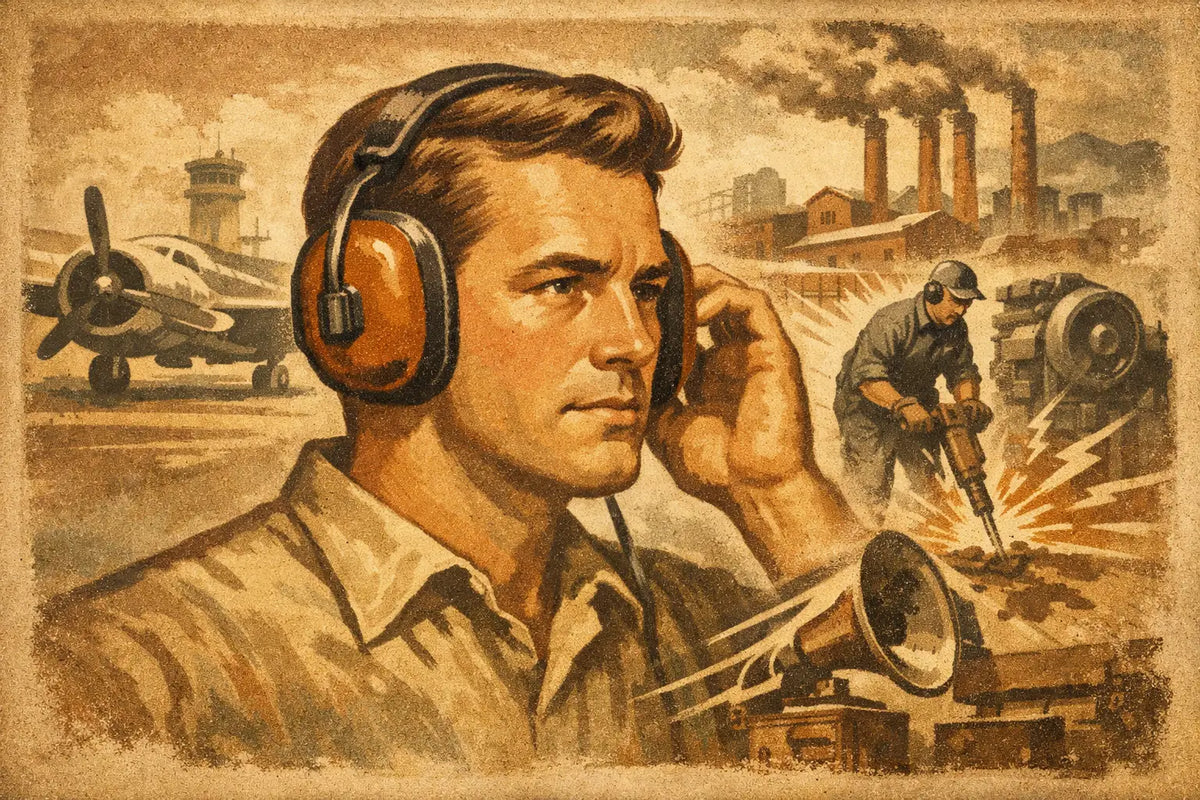
A busy train platform, a live gig, a workshop floor, a long-haul flight - harmful noise is not always dramatic. Often, it is regular exposure that does the damage. If you have ever wondered what is noise protection, the simplest answer is this: it is the use of products, strategies and sound control methods that reduce harmful noise reaching your ears while allowing you to stay aware of what matters.
That distinction matters more than most people realise. Good noise protection is not about shutting the world out completely. It is about lowering risk without sacrificing speech, safety or comfort. From an audiology perspective, the goal is to protect hearing over time, not simply make things quieter for a few minutes.
What is noise protection in practical terms?
Noise protection is any measure designed to reduce exposure to sound levels that can strain or damage hearing. That can include hearing protection devices such as earplugs and earmuffs, but it can also include environmental controls like acoustic barriers, quieter equipment and time limits around loud sound.
For most people, the term is most relevant when talking about personal hearing protection. This is where the difference between basic and better protection becomes clear. A low-cost foam plug may reduce a lot of sound, but it can also leave speech dull and the environment feeling distant. A more refined hearing protection solution is designed to reduce damaging noise while preserving as much clarity as possible.
That balance is especially important for musicians, event staff, trade workers, frequent travellers and anyone who needs to hear instructions, conversation or warning sounds while still protecting their ears.
Why noise protection matters more than people think
Hearing damage rarely arrives with much warning. You may notice ringing after a concert, fatigue after a loud shift, or the sense that busy places sound harsher than they used to. These are not details to brush off. Repeated exposure to excessive noise can contribute to noise-induced hearing loss and tinnitus, and the effects can be gradual and permanent.
One reason people delay protection is that they associate it with extreme settings only - heavy machinery, construction sites or front-row speakers. In reality, risk can build in many everyday environments. Commuting, fitness classes, motorsport, DIY tools, aircraft cabins and nightlife can all expose you to sound levels that deserve attention.
Noise protection is therefore not just for workplaces with formal safety rules. It is part of preventive hearing care. The earlier you treat hearing as something worth protecting, the better your chances of keeping it clear and reliable long term.
How noise damages hearing
Inside the inner ear are delicate hair cells that help convert sound into signals your brain understands. Loud noise can overstimulate these cells. With enough intensity, duration or repetition, that stress can lead to permanent damage.
This is why both volume and time matter. A very loud sound can be harmful quickly. Moderately loud sound can also become harmful if you are exposed for long periods. It is not always a question of whether a sound feels unbearable. Some damaging sound levels simply feel normal because you encounter them often.
That is also why temporary symptoms should be taken seriously. If your ears feel blocked, sounds seem dull, or you hear ringing after exposure, your auditory system has been under strain. Good noise protection helps reduce that strain before it becomes lasting harm.
The main types of noise protection
Personal hearing protection usually falls into a few broad categories. Foam earplugs are common, inexpensive and often effective at reducing high levels of noise. Their drawback is that they can feel intrusive, fit inconsistently and make speech harder to follow.
Reusable earplugs are often a better option for people who need a more comfortable, practical fit for regular use. Depending on their design, they can offer a more predictable level of attenuation and a more natural listening experience.
Filtered earplugs are particularly useful when clarity matters. Rather than blocking sound in a blunt way, they are designed to lower volume more evenly across frequencies. That means music, speech and ambient sound can remain clearer, just quieter and safer.
Earmuffs have their place too, especially in industrial settings or very loud environments. They are easy to put on and take off, and they can provide strong protection. The trade-off is bulk, heat and less convenience in social or mobile settings.
No single option is best for everyone. The right choice depends on the sound level, how long you are exposed, whether you need to communicate, and whether you will actually wear the protection consistently.
Good noise protection should not leave you cut off
One of the biggest objections people have to hearing protection is simple: they do not want everything to sound muffled. That concern is fair. If a product blocks too much useful sound, people stop using it.
This is where quality matters. Effective noise protection should reduce harmful input without making normal life unnecessarily difficult. In many situations, the best solution is not the highest possible level of attenuation. It is the level that gives you meaningful protection while preserving awareness and intelligibility.
For example, someone attending concerts may want music to remain balanced rather than boomy or distorted. A person on a factory floor may still need to hear speech or warning signals. A frequent flyer may want relief from engine noise without feeling disconnected from announcements or conversation. These needs are different, but the principle is the same: protect hearing without compromising useful hearing.
When should you use noise protection?
If you regularly raise your voice to be heard, your environment is loud enough to think seriously about hearing protection. The same applies if your ears ring afterwards, if noise leaves you tired, or if you already know you are around tools, engines, amplified music or sustained crowd noise.
Some people need noise protection every working day. Others need it occasionally - at festivals, on flights, during home improvement projects or while using power tools. There is no minimum threshold of seriousness required before protection becomes worthwhile. If the sound exposure is high enough to stress your ears, protection is sensible.
It is also worth noting that people vary. Noise sensitivity, existing hearing concerns and the demands of a particular job or activity can all affect what level of protection feels right. This is one reason audiology-informed guidance is valuable. The right product is not just about blocking sound. It is about matching protection to real-world hearing needs.
What to look for in hearing protection
Fit comes first. Even a technically strong product will not perform well if it does not seal properly or feels uncomfortable after twenty minutes. Comfort is not a luxury feature. It is what makes regular wear possible.
Clarity matters just as much. If you need to hear speech, music detail or environmental cues, look for hearing protection designed to preserve a more natural sound profile. This is often where premium, specialist products stand apart from generic options.
You should also consider where and how you will use it. A compact reusable earplug may suit commuting and travel. A filtered option may be better for concerts or performance settings. Heavier-duty protection may be needed for certain industrial environments. More attenuation is not always better if it comes at the cost of communication or consistent use.
Finally, credibility matters. Hearing protection is a health product, not a novelty item. An audiology-led approach gives you more confidence that the product has been designed around hearing outcomes rather than price alone.
What noise protection is not
Noise protection is not permission to ignore risk entirely. Wearing earplugs does not mean unlimited exposure becomes safe. Protection reduces the sound reaching your ears, but duration and intensity still matter.
It is also not one-size-fits-all. The best option for a drummer is unlikely to be the best option for a traveller seeking comfort on flights. Likewise, a foam plug that works on a building site may be the wrong choice for someone who wants to hear a conversation at a live event.
And it is not only for people who already have hearing problems. The most effective use of noise protection is preventive. You do not wait for damage to become obvious before taking it seriously.
For a brand like Jett Maxwell, that principle sits at the centre of the category: block noise, keep clarity and protect your hearing for the future.
A better way to think about hearing protection
If you think of noise protection as something bulky, uncomfortable or only needed in extreme settings, it is worth updating that view. The best protection is often discreet, wearable and specific to the way you live and work. It supports hearing health without demanding that you step out of everyday life.
That is the real answer to what is noise protection. It is not simply the act of blocking sound. It is the practice of reducing harmful noise in a way that protects your ears, respects your environment and helps you keep hearing clearly for years to come.
Your hearing does not usually ask for attention until it has already been under pressure. Protecting it earlier is one of the simpler health decisions you can make, and one of the hardest to reverse if you leave it too late.