
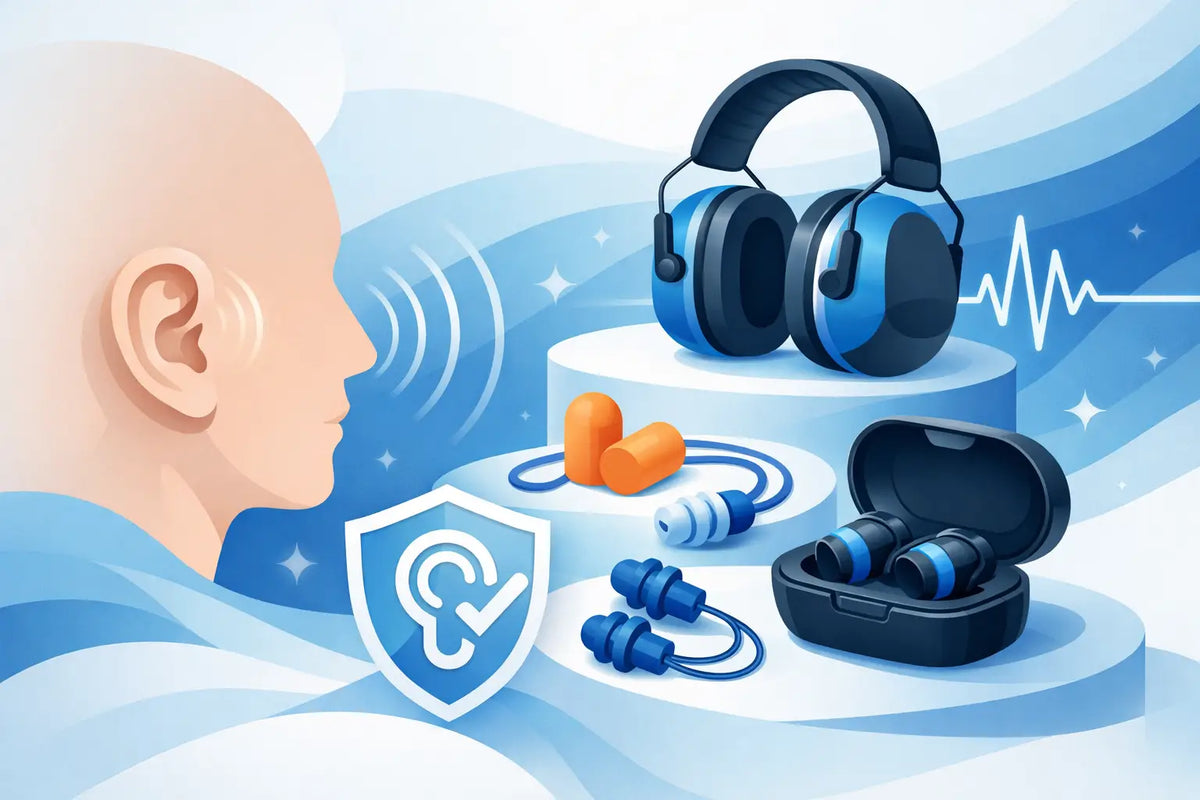
A loud gig leaves your ears ringing on the train home. A shift on site turns into hours of machinery noise. Even frequent flying can leave your ears feeling stressed and fatigued. The best ear protection is not simply the product that blocks the most sound. It is the protection you will actually wear, in the right setting, with enough noise reduction to protect hearing while still letting you stay aware of speech, signals and your surroundings.
That point matters more than many people realise. Hearing damage is often gradual. People tend to notice the ringing, dullness or listening fatigue after the event, not during it. By then, the exposure has already happened. Good hearing protection is preventive care. It should lower risk without making daily life harder.
What makes the best ear protection?
The short answer is fit, attenuation and clarity.
Fit comes first because even a high-performing earplug will underperform if it does not seal properly. This is one reason cheap foam plugs can be hit and miss. They can work well when inserted correctly, but many people wear them too shallowly, which reduces protection and comfort.
Attenuation means how much sound is reduced. More is not always better. If you are in an extreme noise environment, higher attenuation may be necessary. But for concerts, commuting, travel or busy social spaces, too much reduction can make everything sound muffled and disconnected. That often leads people to remove their protection, which defeats the point.
Clarity is where quality matters. Better ear protection reduces harmful sound while preserving more of the speech and environmental detail you still need. From an audiology perspective, this is a major difference between commodity products and protection designed with real-world listening in mind.
Best ear protection by situation
There is no single best product for every noise exposure. The right choice depends on where the noise comes from, how long you are exposed and what you still need to hear.
For concerts, festivals and musicians
Music is one of the most common situations where people delay using hearing protection because they fear dull, distorted sound. That concern is understandable. Standard foam plugs can flatten music and make conversation difficult.
For live music, filtered earplugs are often the better option. They are designed to lower volume more evenly across frequencies, so music remains more natural and speech is easier to follow. If you attend gigs regularly, play in a band or work in sound-heavy venues, this balance is usually more useful than maximum blockage.
The trade-off is simple. Filtered earplugs tend to give a more natural listening experience, but they may not offer the same very high attenuation as heavy-duty industrial options. For music settings, that is usually the right compromise.
For work in loud environments
If you work with tools, machinery, engines or sustained industrial noise, protection needs to be more robust. In these situations, consistency matters as much as stated performance. Earplugs only work when worn properly for the full exposure period.
Foam plugs can be effective on site, especially when high attenuation is required. Earmuffs may also be appropriate, particularly for intermittent tasks where they are easier to put on and remove. In very loud environments, some workers use double protection, with plugs under muffs.
But there is a practical issue. If hearing protection makes speech or warning sounds too hard to detect, compliance can drop. This is why comfort and usability should never be treated as minor details. The best ear protection at work is the one that supports both safety and long-term hearing health.
For flying and travel
Aircraft cabins, transport hubs and regular travel create a different kind of challenge. The issue is not always extreme noise. It is prolonged exposure, low-frequency engine sound and listening fatigue.
For travel, many people prefer reusable earplugs that reduce cabin and background noise without cutting them off completely. If you still want to hear announcements, conversation or your surroundings, overly dense protection can feel frustrating. Comfort also matters more here because wear time is often long.
Travellers with noise sensitivity often benefit from protection that softens the environment rather than silences it. That distinction makes a real difference on long journeys.
For sleep and everyday noise sensitivity
Some adults need hearing protection for snoring, urban noise or overstimulating environments. In those cases, the best option is usually the most comfortable one, especially for side sleepers or extended wear.
Soft earplugs can help, but not every product is suitable for overnight use or prolonged pressure in the ear canal. If your main concern is sensitivity rather than hazardous sound exposure, the aim is comfort and manageable reduction rather than industrial-grade attenuation.
Foam, reusable or custom - which is best?
Foam earplugs are cheap, widely available and often capable of strong noise reduction. They suit occasional use and very loud settings, but they are less refined in sound quality. Many users also dislike the pressure, the fiddly insertion and the one-size-fits-most approach.
Reusable earplugs are a step up for many adults. They are easier to handle, more durable and often more comfortable for regular use. Better designs also preserve more clarity, which matters if you want protection without feeling cut off from conversation.
Custom earplugs are made to the shape of your ears. They can offer excellent comfort, security and repeatable fit, especially for frequent users such as musicians or professionals in noisy workplaces. The obvious trade-off is cost. They are not necessary for everyone, but for regular exposure they can be a very worthwhile investment.
From a hearing-health perspective, the best choice is rarely the cheapest one if that product stays in a pocket instead of in your ears.
How to judge ear protection beyond the packaging
Many buyers focus on headline claims and miss the details that affect day-to-day use. A higher noise reduction figure may look impressive, but it does not tell the whole story.
Look at whether the product is designed for your environment. Concert earplugs, sleep plugs and industrial protection solve different problems. Consider comfort for the likely duration of wear. Think about whether you need to hear speech, traffic, announcements or alarms. If the answer is yes, clarity-preserving protection becomes far more important.
It is also worth being realistic about your own habits. If you dislike rolling foam plugs, or you know you remove uncomfortable products after ten minutes, then theoretical performance is less relevant than practical wearability.
Common mistakes when choosing ear protection
One mistake is assuming all earplugs work the same way. They do not. Materials, shape, filters and fit all affect what you hear and how much protection you get.
Another is choosing maximum blockage for situations that need balance. At a concert or while travelling, too much attenuation can make the experience unpleasant enough that you stop wearing the plugs altogether.
A third is waiting until symptoms appear. Ringing after noise exposure is not a harmless side effect. It is a sign your ears have been stressed. Repeated episodes can add up over time.
When the best ear protection is worth paying for
If you are exposed to noise regularly, better hearing protection is not a luxury purchase. It is part of preventive health. The cost of replacing disposable plugs, tolerating poor sound quality or ignoring hearing strain often ends up being higher in the long run.
Audiology-informed hearing protection is designed around a more useful goal - reducing risk without sacrificing clarity. That is especially valuable for people who need to stay connected to music, colleagues, conversation or the world around them. Brands such as Jett Maxwell are built around that principle, which is why the difference is not just about comfort. It is about protecting hearing in a way people can realistically live with.
So what is the best ear protection for most adults?
For most non-industrial use, the best ear protection is usually a well-fitting reusable or filtered earplug that offers meaningful reduction without muffling everything beyond recognition. For very loud work, higher attenuation and stricter fit become more important. For frequent wear, comfort and repeatable performance matter just as much as the lab rating.
That is the real test. Good hearing protection should not make you choose between safety and hearing what matters. If your ear protection helps you keep clarity today while protecting your hearing for the future, you are on the right track.
Your ears do not get a reset button. Choosing protection before the ringing starts is one of the simplest ways to hear better for longer.