
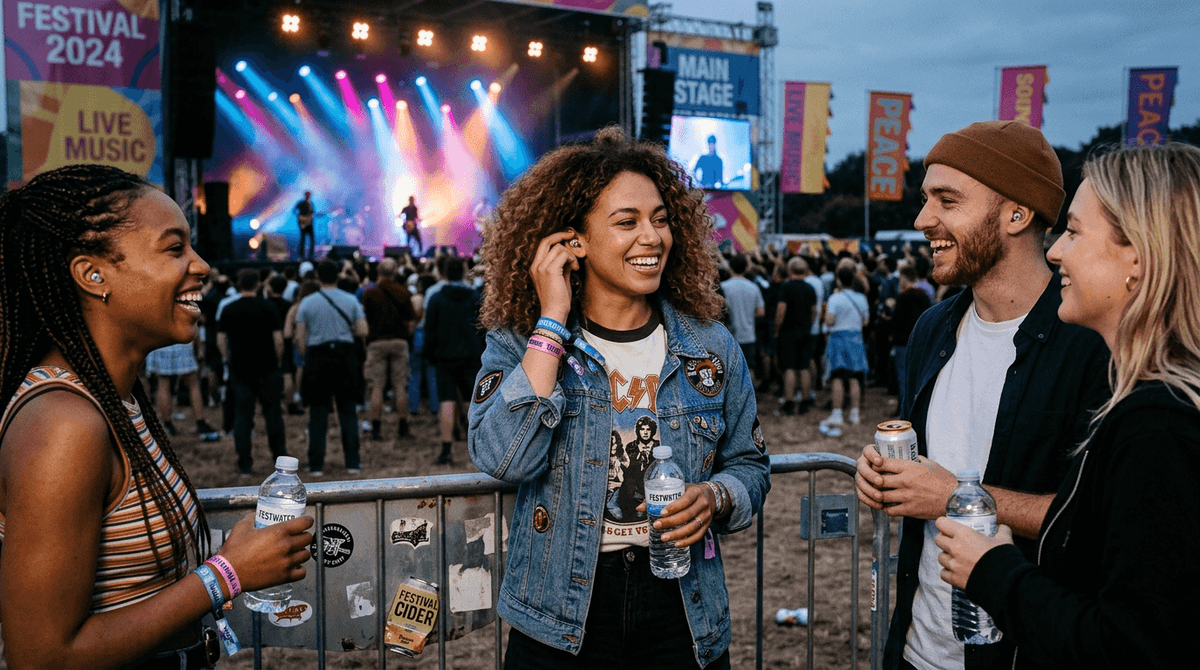
Concert volumes often hit 100 decibels or more, yet most attendees don’t realise they’re exposing themselves to noise levels that can cause permanent hearing damage in as little as 15 minutes. Social hearing protection offers a solution that preserves sound quality while reducing harmful volume, making it essential for music lovers who want to enjoy live events without compromising their long-term hearing health.
Table of Contents
- Why Hearing Protection Is Essential In Social Settings
- What Is Social Hearing Protection And How Does It Work?
- Choosing The Right Hearing Protection For Social Events
- How To Use And Maintain Social Hearing Protection Effectively
- Protect Your Hearing With Expert-Approved Solutions
- Frequently Asked Questions
Key takeaways
| Point | Details |
|---|---|
| Rapid damage risk | Concert noise can cause permanent hearing loss within 15 minutes of exposure. |
| Sound clarity preserved | High-fidelity earplugs reduce volume evenly without distorting music or voices. |
| Proper fit essential | Correct insertion and consistent use maximise protective effectiveness. |
| Children need protection | Smaller ear canals make young attendees particularly vulnerable to noise damage. |
| Superior to foam plugs | Musician’s earplugs maintain balanced sound quality unlike generic foam options. |
Why hearing protection is essential in social settings
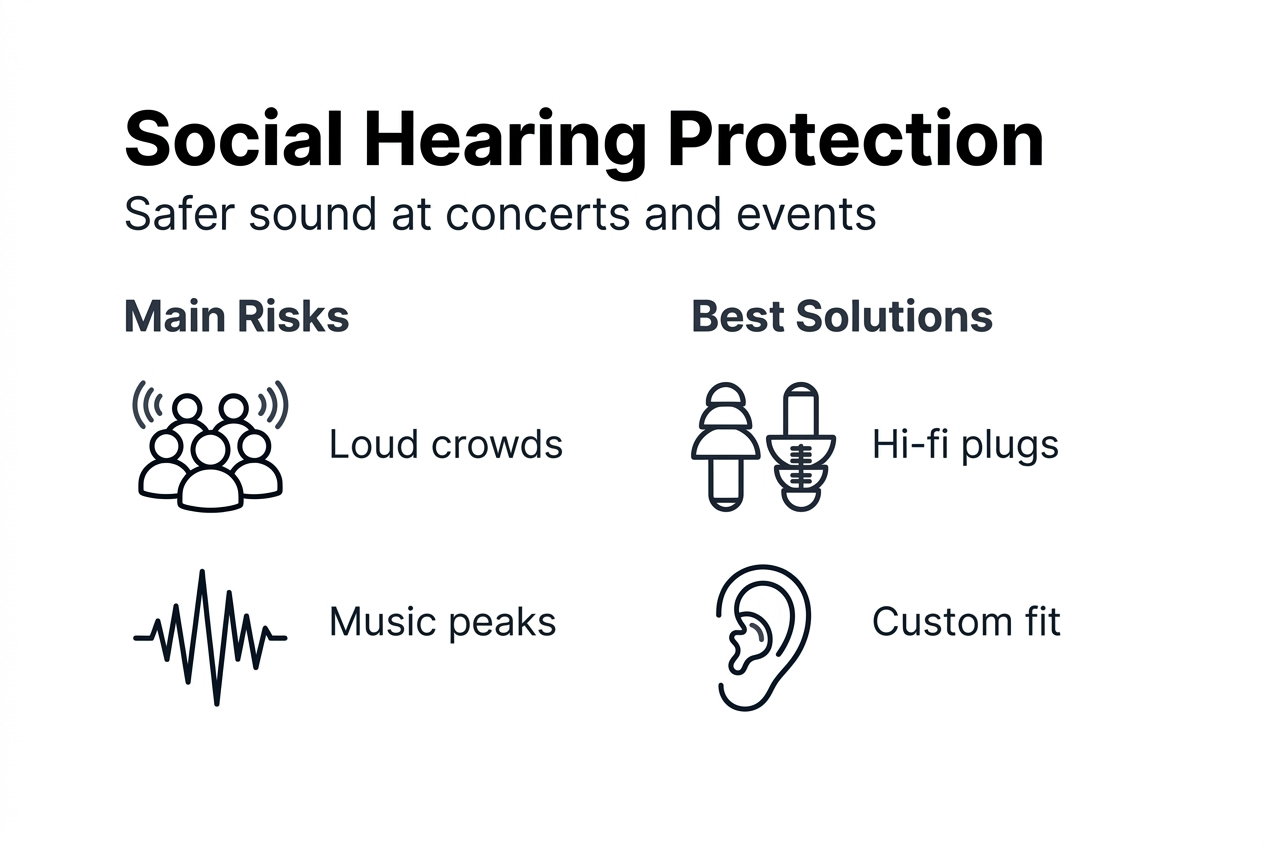
Live music venues, festivals, and crowded social spaces routinely exceed safe listening levels. Concert volumes typically range from 90 to 120 decibels, comparable to standing near a chainsaw or ambulance siren. These aren’t just uncomfortable noise levels, they’re actively damaging your inner ear structures with every passing minute.
The risk isn’t theoretical. Prolonged exposure to sounds above 85 dB causes permanent hearing loss, and most concerts easily surpass this threshold. A two-hour show at 100 decibels delivers the same acoustic assault as eight hours in a 91-decibel factory environment. The difference is that factory workers wear mandatory protection, whilst concert-goers typically don’t.
Recognising dangerous noise levels isn’t always straightforward. If you find yourself shouting to speak with someone standing right beside you, the environment has already crossed into hazardous territory. Your ears might feel fine during the event, but damage accumulates silently. Understanding hearing damage risks helps you make informed decisions about protection.
Consider these warning signs that indicate you need hearing protection:
- Temporary muffled hearing or ringing after events
- Needing to raise your voice to normal conversation volume
- Physical discomfort or pressure in your ears
- Difficulty understanding speech in the venue
Pro Tip: Download a decibel meter app before attending your next concert. When readings consistently exceed 85 decibels, it’s time to insert your hearing protection immediately.
The frequency and intensity of exposure matter equally. Attending loud events weekly compounds damage far more severely than occasional exposure, making consistent protection habits crucial for regular concert-goers and festival attendees.
What is social hearing protection and how does it work?
Social hearing protection specifically addresses the challenge of reducing harmful volume whilst maintaining the sound quality that makes live music enjoyable. Unlike industrial earplugs designed purely for maximum noise blocking, these specialised devices preserve the balance and clarity of music, voices, and ambient sounds.
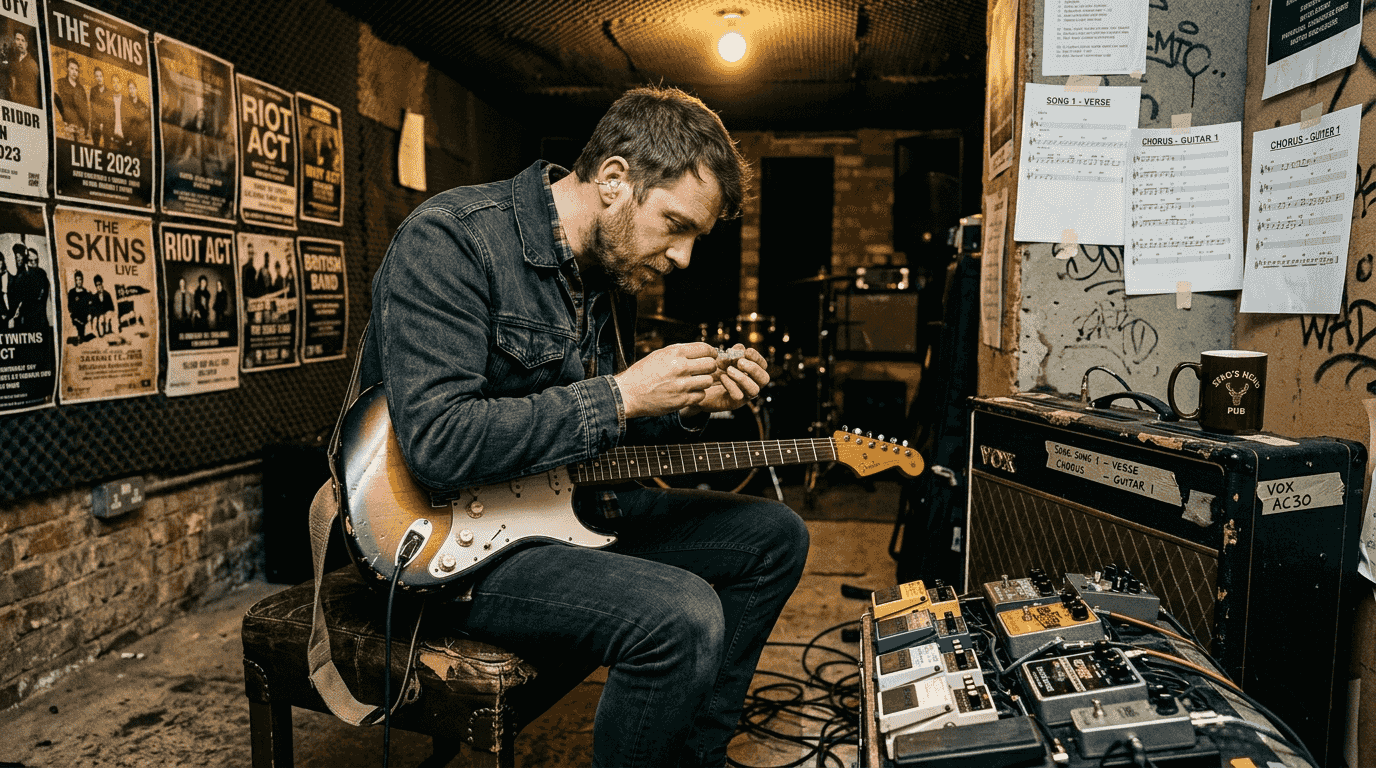
The technology centres on acoustic filtering rather than simple blockage. High-fidelity earplugs attenuate sound evenly across frequencies, lowering overall volume without distorting the tonal balance you’d hear without protection. This even attenuation is what separates quality social hearing protection from cheaper alternatives.
Musician’s earplugs represent the gold standard in this category. These devices use precision-engineered filters that reduce volume by 10 to 25 decibels depending on the model, bringing dangerous concert levels down to safer ranges whilst keeping music crisp and detailed. Musician’s earplugs preserve sound fidelity in ways generic foam plugs simply cannot match.
The difference becomes obvious when you compare experiences. Foam earplugs block sound indiscriminately, creating a muffled, underwater effect that strips away musical detail. High-fidelity options maintain the full frequency spectrum, just at a reduced volume. You’ll still hear the bass line, vocal nuances, and instrumental textures clearly.
Key features that define effective social hearing protection include:
- Even frequency attenuation preserving tonal balance
- Comfortable fit enabling extended wear without irritation
- Reusable construction offering value over multiple events
- Various attenuation levels suited to different venue types
- Discreet appearance encouraging consistent use
Pro Tip: Start with moderate attenuation (15 decibels) for most concerts and social venues. You can always opt for higher protection (20-25 decibels) if you attend particularly loud electronic music events or stand near speaker stacks.
Consistent use remains critical regardless of which protection you choose. Removing earplugs even briefly during loud passages exposes you to the full harmful volume, undermining the protection you’ve worn them to achieve. Understanding hearing protection essentials helps reinforce good habits.
Choosing the right hearing protection for social events
Selecting appropriate hearing protection requires matching the product to your specific needs, hearing sensitivity, and typical event environments. Proper fit stands as the most crucial factor, as even premium earplugs fail to protect adequately when incorrectly sized or inserted.
Comfort directly influences whether you’ll actually wear protection consistently. Earplugs that cause pressure, itching, or pain get removed, leaving your ears vulnerable. Look for soft, hypoallergenic materials with multiple size options. Many quality brands offer small, medium, and large sizes to accommodate different ear canal dimensions.
Attenuation levels vary significantly across products. A 10-decibel reduction suits moderate environments like busy restaurants or smaller acoustic venues. Mid-range 15-decibel protection handles most rock concerts and festival stages effectively. Heavy-duty 20 to 25-decibel options become necessary for electronic music events, nightclubs, or positions near stage monitors.
| Protection Level | Best For | Typical Cost Range |
|---|---|---|
| 10-15 dB | Acoustic concerts, theatre, bars | £15-25 |
| 15-20 dB | Rock concerts, festivals, clubs | £20-35 |
| 20-25 dB | Electronic music, front-row positions | £25-45 |
| Custom-moulded | Professional musicians, frequent attendees | £100-200 |
Children require special consideration due to their smaller ear canals and increased vulnerability. Children are more susceptible to noise-induced hearing loss because their auditory systems are still developing. Standard adult earplugs won’t fit properly, leaving gaps that allow harmful noise through. Invest in properly sized children’s hearing protection if you bring young ones to events.
Pro Tip: Purchase earplugs before the event, not at the venue. Merchandise stands rarely stock quality high-fidelity options, typically offering only basic foam plugs that compromise your listening experience.
The effectiveness of hearing protection depends on proper fit and consistent use throughout exposure. Ill-fitting earplugs or sporadic use significantly reduce protective capabilities, making careful selection worth the investment. Review hearing safety tips to understand how small choices compound into major hearing health outcomes.
How to use and maintain social hearing protection effectively
Proper insertion technique determines whether your earplugs deliver their rated protection or leave dangerous gaps. Follow these steps for optimal fitting:
- Wash your hands thoroughly before handling earplugs to prevent introducing bacteria into your ear canal.
- Reach over your head with one hand and gently pull your ear upward and backward to straighten the canal.
- Insert the earplug with your other hand, using a slight twisting motion whilst pushing gently inward.
- Hold the plug in place for several seconds until it settles and creates a proper seal.
- Test the seal by covering your ears briefly, sound should feel noticeably muffled and balanced between both sides.
Consistent use throughout loud exposure proves essential. The effectiveness of hearing protection depends on proper fit and uninterrupted wear during hazardous noise levels. Removing protection even briefly during peak volume moments undermines your safety.
Cleaning routines prevent ear infections and extend earplug lifespan considerably. Rinse reusable earplugs with warm water and mild soap after each use. Allow them to air dry completely before storing to prevent bacterial growth. Never share earplugs with others, as this transfers bacteria and increases infection risk.
Storage habits matter more than most users realise. Keep earplugs in their provided case rather than loose in pockets or bags where they collect lint, dirt, and damage. A compact keychain case ensures you always have protection available when unexpected loud situations arise.
Pro Tip: Set a calendar reminder to inspect your earplugs monthly for signs of wear like cracks, tears, or hardening material. Replace them immediately if you notice degradation, as damaged earplugs provide inconsistent protection and may harbour bacteria.
Replacement schedules vary by product quality and usage frequency. Budget foam plugs should be discarded after one use. Mid-range silicone options typically last 3 to 6 months with regular use. Premium high-fidelity earplugs can serve you for 1 to 2 years when properly maintained. Follow manufacturer guidelines and trust your assessment of condition. Learning about hearing protection usage builds habits that protect your hearing across decades.
Protect your hearing with expert-approved solutions
Your hearing health deserves the same careful attention you give to other aspects of wellness. Making informed choices about protection today prevents irreversible damage that could diminish your enjoyment of music and social connections for years to come.
Jett Maxwell offers audiologist-designed hearing protection specifically engineered for music lovers and social event attendees. Our Tone-Filter earplugs deliver professional-grade protection with the sound clarity you need to fully experience live performances. Explore our expert hearing protection products and discover why musicians and audiophiles trust our solutions to preserve both their hearing and their listening experience. Ready to take the next step? Visit our hearing protection advice section for personalised guidance on protecting your ears at every event.
Frequently asked questions
What is social hearing protection?
Social hearing protection refers to specialised earplugs designed to reduce harmful noise levels at concerts, festivals, and social venues whilst preserving sound quality and clarity. Unlike industrial earplugs that simply block noise, these devices use acoustic filters to attenuate volume evenly across all frequencies, allowing you to enjoy music and conversation without distortion or muffling.
How does social hearing protection differ from regular earplugs?
Regular foam earplugs block sound indiscriminately, creating a muffled effect that distorts music and makes speech difficult to understand. Social hearing protection uses precision filters that reduce volume evenly across the frequency spectrum, maintaining tonal balance and clarity. This means you hear everything naturally, just at a safer volume level that protects against hearing damage.
Why does sound fidelity matter for concerts and events?
Sound fidelity preservation allows you to experience music as the artist intended whilst protecting your hearing. High-fidelity earplugs maintain the balance between bass, midrange, and treble frequencies, letting you appreciate musical details, lyrics, and instrumental nuances. This makes protection far more acceptable to music enthusiasts who previously avoided earplugs due to the poor sound quality of foam alternatives.
When should I use hearing protection at social events?
Use hearing protection whenever you need to raise your voice to speak with someone standing beside you, as this indicates noise levels exceeding safe thresholds. Generally, any environment consistently above 85 decibels requires protection, including most concerts, nightclubs, festivals, and even some busy restaurants or bars. If your ears ring or feel muffled after events, you’ve already experienced damaging exposure.
Are high-fidelity earplugs comfortable for extended wear?
Quality high-fidelity earplugs are specifically designed for comfort during multi-hour events. They use soft, hypoallergenic materials that conform to your ear canal without causing pressure or irritation. Many users report forgetting they’re wearing protection after initial insertion. Proper sizing is crucial, so choose brands offering multiple size options to ensure the best fit for your ears.