
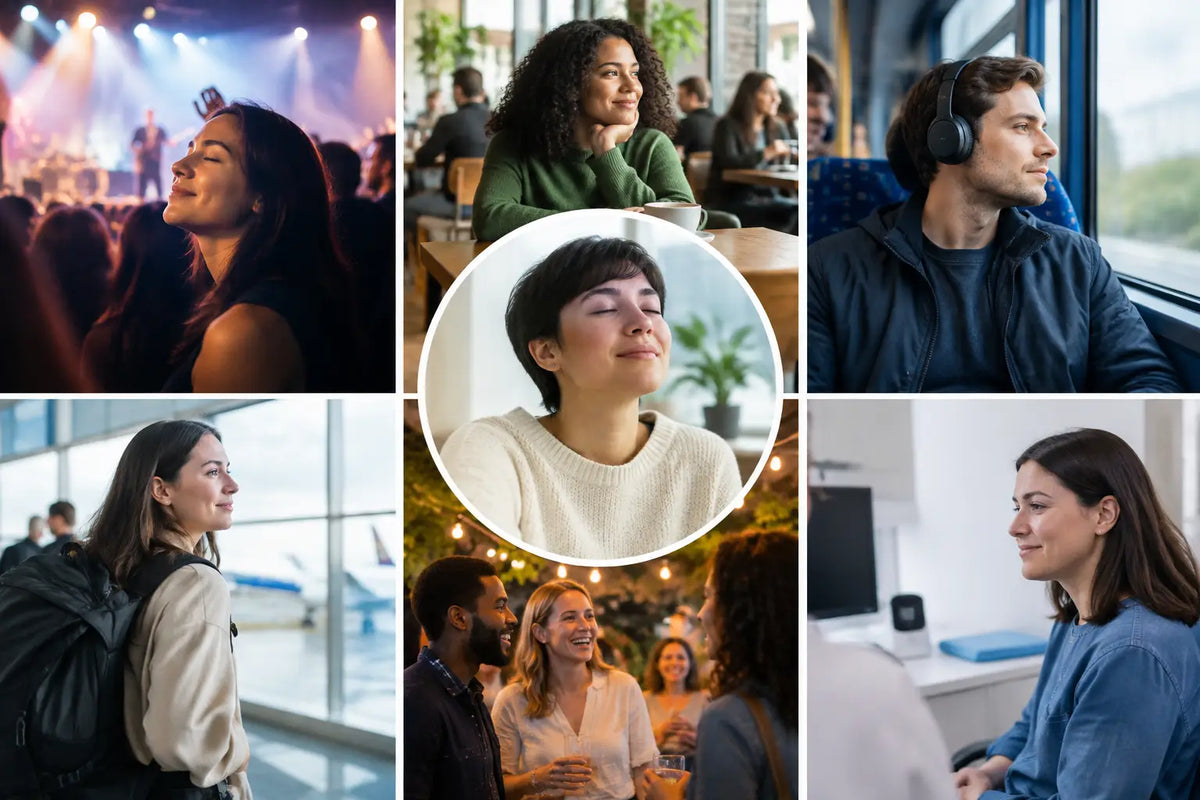
A busy event does not have to be an all-or-nothing experience. The most useful sensory friendly event examples do not remove atmosphere or ask guests to sit in silence. They give people more control over sound, light, space and information, so they can take part in a way that feels manageable.
For some guests, loud or layered sound is tiring, distracting or physically uncomfortable. Others may find flashing lights, crowds, queues or last-minute changes difficult. These experiences vary widely. A sensory-friendly approach is not a diagnosis, nor does it need to be limited to a particular group. It is considered event design that can make a venue easier to use for more people.
What makes an event sensory friendly?
A sensory-friendly event anticipates common sources of overload and provides realistic options before and during the occasion. That might mean a quieter entry route, clear information about lighting and sound, a calm room away from the main activity, or permission to step out and return.
The best approach depends on the event. A daytime museum session needs different adjustments from a live music night or a large conference. The aim is not to make every part of an event quiet. It is to ensure that guests can predict the environment, regulate their exposure and access support without being singled out.
12 sensory friendly event examples
1. A quieter performance or viewing
Theatre, cinema, comedy and music venues can schedule selected sessions with lower overall volume, reduced sudden effects and gentler lighting. House lights may remain partially raised, and guests can be free to move, make noise or leave briefly if needed.
This works best when the changes are described plainly at booking. “Relaxed performance” can mean different things at different venues, so explain what will actually be adjusted.
2. A calm room with a clear purpose
A quiet room is one of the most practical additions to a conference, festival, exhibition or community event. It should be separate from the loudest activity, comfortably lit and clearly signposted. Simple seating and a low-stimulation environment are usually more useful than a heavily decorated “sensory space”.
It should not become a storage room or a place people feel they must justify using. Tell guests where it is, when it is open and whether they can return to the event afterwards.
3. Timed entry and quieter arrival periods
Queues, security checks and crowded entrances can be more demanding than the event itself. Timed tickets, early-access windows or a designated quieter arrival period reduce uncertainty and physical crowding.
For an event with a naturally busy opening, consider allowing guests who need a calmer entry to arrive before the main rush. This can also help staff offer directions without competing with background noise.
4. A published sensory guide
A short sensory guide can be more valuable than a broad promise that an event is “inclusive”. Include practical details: expected crowd levels, music or amplified speech, strobe or flashing-light use, strong scents, seating, access to outdoor space and the location of toilets and quiet areas.
Be specific about unpredictable moments, such as applause, announcements, fireworks or a band starting after a quiet interval. Guests can then decide what support to bring and whether a particular session suits them.
5. A low-sensory shopping hour
Retail launches, markets and pop-ups can offer a quieter hour with lower music levels, fewer demonstrations and reduced visual advertising screens where possible. Staff can avoid calling out promotions over a loudspeaker during that period.
This format is particularly useful for events where browsing and conversation matter. It does not require the venue to be silent. It simply reduces competing input so guests have more room to focus.
6. Sensible sound zoning
At a party, trade show or festival, place speakers thoughtfully. Seating, food areas, information desks and quieter activities should not sit directly beside loud sound systems. Where possible, create clear transitions between high-energy and lower-noise spaces.
For live events, staff should know where the loudest areas are and be able to direct guests accordingly. Position matters: a few metres can make a meaningful difference to the experience of amplified sound.
7. Earplug-friendly event planning
Offering or permitting hearing protection is a straightforward way to give guests more control at loud events. Reusable filtered earplugs can reduce the intensity of sound while allowing music, speech and environmental cues to remain more natural than they may with a solid foam plug.
Fit matters. Earplugs that are uncomfortable, poorly inserted or unsuitable for the individual are less likely to be worn consistently. Guests should be able to remove themselves from the loudest area too; earplugs are a useful option, not a substitute for sensible sound management or a quiet place to reset. Jett Maxwell designs reusable filtered earplugs for people who want to stay connected to music and conversation in busy settings.
8. A clearly marked step-out-and-return policy
Some people avoid performances or talks because they worry that leaving will be disruptive or that re-entry will be refused. A visible policy that permits guests to step out and return removes that uncertainty.
Use discreet exit routes where possible and brief front-of-house staff to respond supportively. This adjustment costs little, yet it can make a significant difference to whether someone feels able to attend.
9. Lighting with alternatives
Bright, moving or flashing lights can add excitement, but they should be used with care and communicated in advance. If strobe effects or rapid visual changes are planned, say so clearly in event information and at the venue entrance.
Not every event can reduce lighting effects throughout. Alternatives may include a separate viewing area with less direct exposure, a quieter daytime session, or programming periods without effects. Predictability is often as helpful as reduction.
10. Visual schedules and plain-language signage
Clear information reduces the mental effort of working out what happens next. At family days, workshops, conferences and exhibitions, a visual timetable can show arrival, activities, breaks, food options and finishing times.
Signage should be direct and consistent. Mark quiet areas, exits, first aid, toilets and information points using the same words online and on site. Avoid relying only on verbal announcements, especially in loud spaces.
11. Staff who know how to help
A well-designed plan can fail if staff are unaware of it. Brief teams before doors open: where is the quiet room, which sessions have reduced effects, what is the re-entry policy, and who can answer questions if a guest needs support?
The right response is usually calm and practical. Staff do not need to ask for personal details or make assumptions. A simple “Would a quieter space or a different route help?” gives the guest choice and protects their privacy.
12. Smaller-group activities within a larger event
Large events can include bookable workshops, guided tours, craft tables or meet-and-greet slots with limited numbers. These offer a lower-pressure way to participate without requiring someone to manage a packed main area for hours.
This is especially helpful where social interaction is part of the event. Smaller groups make it easier to hear speech, ask questions and take breaks without feeling that you have missed everything.
How to choose the right adjustments
Start with the event's genuine pressure points. A club night may need practical information about sound levels, speaker locations, breaks and hearing protection. A community fair may benefit more from quieter arrival times, visual schedules and a calm room. Trying to copy every idea can dilute the measures that matter most.
Ask people with lived experience for feedback where possible, but do not expect one person to represent everyone. Test the visitor journey as well: booking, travel, arrival, queuing, finding key spaces, using the event and leaving. An otherwise thoughtful event can still feel difficult if guests cannot find the entrance or learn about loud effects until they are already inside.
For guests: plan for comfort, not perfection
If you are attending a busy event, check the venue information before you go and identify a place where you can take a break. Consider arriving early, choosing a position away from speakers or dense crowds, and bringing comfortable hearing protection if amplified sound is expected.
People respond differently to noise and complex environments. If sound sensitivity is new, worsening, painful, or affecting day-to-day life, an audiologist or other appropriate healthcare professional can offer individual advice. For an event, however, small choices in layout, communication and personal preparation can make participation feel far more achievable.
The strongest sensory-friendly events are not defined by a label on the ticket page. They are the ones where guests can see what to expect, make informed choices and remain part of the occasion on their own terms.